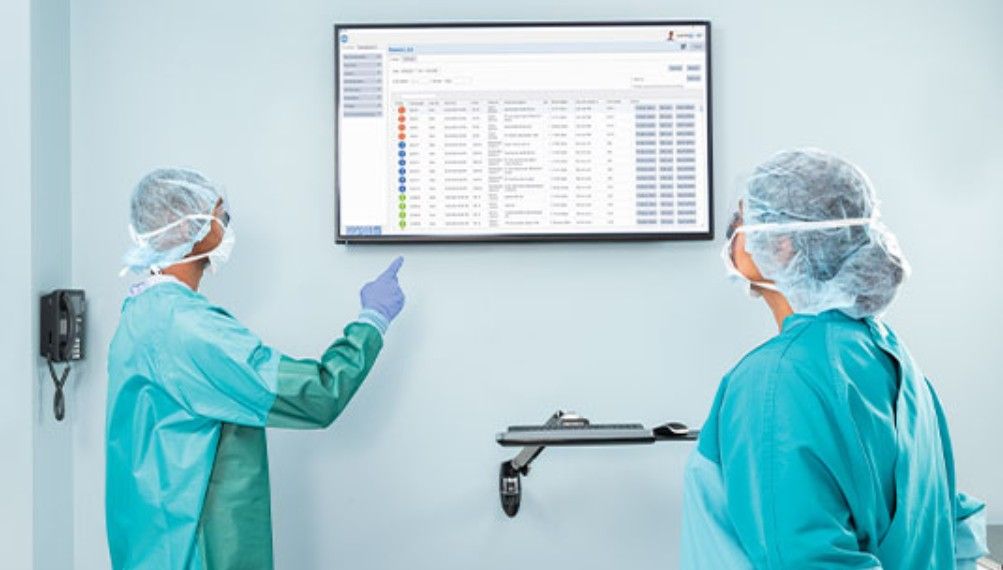
In healthcare facilities and sterile processing departments (SPDs), meticulous documentation is just as essential as the sterilization process itself. Every time an autoclave or low-temperature sterilizer completes a cycle, it generates critical physical and electronic records verifying that medical instruments have undergone proper decontamination. However, one common question that frequently arises among healthcare administrators, compliance officers, and sterile processing technicians is: How long must these sterilizer cycle records be retained?
Standard Guidelines and Regulatory Benchmarks
Determining the exact length of time to keep sterilizer cycle records requires reviewing guidelines from multiple regulatory and standards-setting entities. Because requirements vary depending on jurisdiction and facility type, healthcare organizations must follow the strictest rule applicable to their state and institution.
Here is an overview of the key bodies governing record retention:
- State Departments of Health (DOH): Most state regulations mandate retaining medical device reprocessing logs for a minimum of 2 to 5 years. However, several states enforce longer periods, particularly when records pertain to pediatric care or specialized surgical procedures.
- Association for the Advancement of Medical Instrumentation (AAMI): AAMI ST79—the primary benchmark for steam sterilization—recommends keeping sterilizer load logs in accordance with local legal counsel, facility risk management policies, and state statutes of limitations.
- The Joint Commission (TJC) & CMS: Accrediting agencies require facilities to demonstrate a consistent, written policy for record keeping. Records must be easily retrievable during unannounced accreditation surveys.
- OSHA Standards: If a sterilizer cycle record is linked to an employee injury, exposure incident, or chemical monitoring report (such as ethylene oxide exposure logs), Occupational Safety and Health Administration regulations may mandate retention for 30 years beyond the employee's duration of employment.
As a general rule of thumb, most healthcare risk management teams advise keeping routine sterilizer cycle records for at least 3 to 7 years to cover the statute of limitations for medical malpractice claims.
Key Information Required in Sterilizer Cycle Logs
Retaining records is only valuable if the documentation itself contains complete and accurate data. In complete audit trails, each sterilizer cycle log acts as a legal document demonstrating that surgical tools were processed safely and according to manufacturer instructions.
A compliant sterilizer cycle record must detail the following information:
- Cycle Identification: Date, time, sterilizer unit number, and specific load or run number.
- Load Contents: Detailed inventory of items processed within the specific chamber load.
- Physical Parameters: Printout data verifying that temperature, pressure, and exposure time met minimum parameters.
- Chemical Indicators: Results of internal and external chemical indicators (Class 5 or Class 6 emulating indicators).
- Biological Monitoring: Results of biological indicator (BI) testing, including control results, incubator temperature, and read-out times.
- Operator Signature: The signature or unique ID of the technician responsible for approving and releasing the load.
Incomplete logs render record retention ineffective. If an infection outbreak occurs months after a surgical procedure, incomplete records offer zero legal protection for the hospital or outpatient surgical center.
Paper vs. Digital Storage Challenges
Managing thousands of paper printouts presents significant physical storage and legibility challenges. Autoclave machines typically output cycle data on thermal paper receipts, which fade dramatically over time when exposed to heat, light, or humidity.
To overcome paper degradation and streamline archiving, modern processing departments rely on digital solutions:
- Photocopying or Scanning: If paper records are kept, thermal printouts should be photocopied or scanned into an electronic document management system immediately upon cycle completion.
- Digital Tracking Software: Integrated instrument tracking systems automatically pull data directly from the sterilizer into a centralized database, eliminating manual paper logging altogether.
- Cloud Archiving and Security: Digital records must comply with HIPAA security guidelines, featuring secure backup systems, restricted user permissions, and reliable disaster recovery plans.
Transitioning to digital logging simplifies audit preparation, reduces physical storage overhead, and ensures that sterilizer logs remain readable across their entire multi-year retention window.
Education, Staff Competency, and Compliance
While regulatory frameworks dictate the rules, human execution ultimately determines whether a department remains compliant. Even the most sophisticated tracking software is ineffective if technicians do not understand how to interpret physical printouts, evaluate biological indicators, or log exceptions correctly.
Sterile processing is a specialized discipline requiring rigorous technical knowledge, attention to detail, and a deep understanding of microbiology, infection control, and legal standards. Enrolling in a formal sterile processing technician course equips professionals with the necessary skills to manage sterilizer documentation, navigate regulatory audits, and ensure patient safety across all surgical workflows.
When staff members receive structured education on standards like AAMI ST79 and CDC guidelines, facilities minimize human error, reduce load recall risks, and maintain flawless record retention systems that stand up to institutional scrutiny.
Best Practices for Developing a Departmental Retention Policy
To guarantee compliance and eliminate confusion, every sterile processing manager should establish a clear Standard Operating Procedure (SOP) regarding record retention.
Consider implementing the following departmental practices:
- Conduct a Regulatory Audit: Consult with facility legal counsel and state guidelines to establish your facility's exact minimum retention timeframe.
- Standardize Filing Formats: Organize physical and digital records systematically by sterilizer unit, date, and load number for rapid retrieval during inspections.
- Set Up Automated Backups: If using digital tracking software, schedule daily automated off-site backups to prevent catastrophic data loss.
- Routine Self-Audits: Conduct monthly internal reviews of cycle logs to verify that technicians are filling out all required fields completely and accurately.
- Establish Destruction Protocols: Create a secure, documented procedure for shredding or permanently purging records once their mandatory retention window expires.
Conclusion: Safeguarding Patient Safety Through Accountability
Sterilizer cycle records serve as vital proof of infection prevention diligence. While maintaining logs for 3, 5, or even 30 years requires dedicated effort and storage planning, it is an indispensable part of healthcare quality control. By aligning facility protocols with state laws, transitioning to durable digital archives, and investing in continuous technician education, healthcare providers can protect both their patients and their institutional reputation.